
Clinical treatment
- Provided by licensed clinicians
- Focused on diagnosis and mental health symptoms
- Works with trauma and emotional processing
- May include medication management or Medication-Assisted Treatment
- Asks the deeper "why" behind patterns
Aftercare Support · Coaching
Recovery Coaching
Non-clinical, one-on-one recovery support in the Atlanta area. Coaching builds the routines, accountability, and goals that keep recovery moving forward once treatment is behind you.
Overview
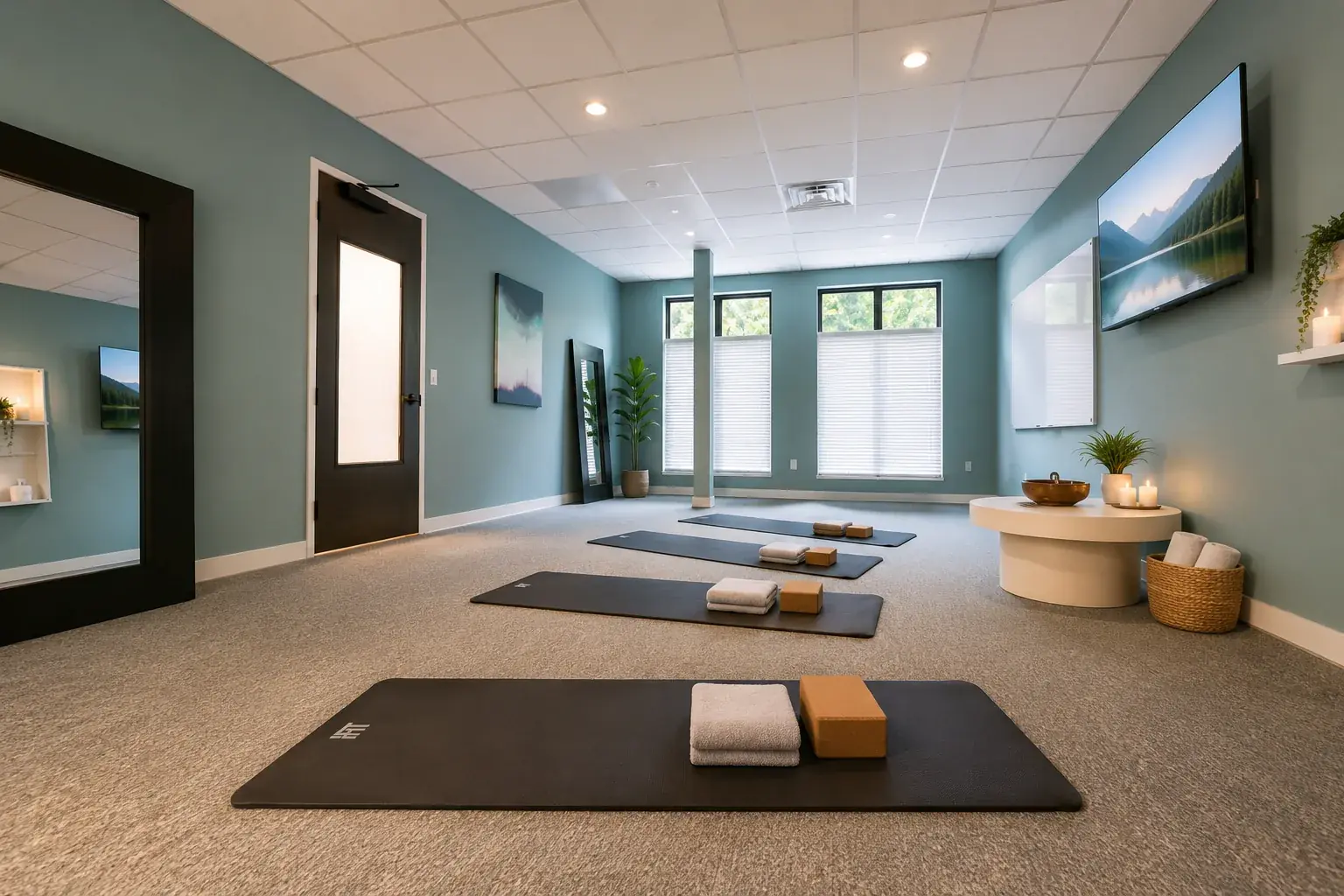
Recovery life coaching is structured, one-on-one support focused on the practical side of staying in recovery. It is not therapy and not clinical treatment.
Where therapy looks at the deeper clinical work, coaching looks at the day-to-day. The work happens around schedules, decisions, habits, and goals — the things that turn early recovery into a life you actually want to keep living.
For people who have done the work in treatment, coaching is the bridge between progress and routine. It helps that progress hold up when the structure of a program is no longer around to do it for you.
The Transition
Treatment gives you structure, support, and a clear schedule. Most days are accounted for. There is a team in your corner and a plan to follow.
Life after treatment is rarely that predictable. Even when things are going well, the rhythm changes, and the question of how to fill that space becomes a real one. Coaching is a steady form of accountability through that transition.
Getting back into a job, or finding a new one, while keeping recovery at the center of your day.
Repairing relationships with family, partners, and friends, one decision at a time.
Handling the everyday pressures of life without the tools that used to fill the gap.
Recognizing the people, places, and moments that put recovery at risk — and having a plan ready.
Building a daily rhythm that supports recovery instead of working against it.
The Work
Coaching is practical. The focus is on what you are doing this week, what is working, and what to adjust. Over time, those small adjustments add up to a different kind of life.
Right Fit
Coaching is a strong fit for people who want practical, non-clinical support to keep recovery moving. It can follow a treatment program or stand on its own.
If clinical treatment is what you actually need right now, we will tell you. The goal is the right kind of support, not a particular service. Northview can help you understand the right level of care.
Different Tools
Coaching and therapy answer different questions. Both can be valuable, often at the same time. The clearest way to think about it is this:
Coaching can work alongside therapy, medication management, MAT, outpatient treatment, or peer support when appropriate. The two are not in competition. They handle different parts of recovery at the same time.
Inside a Session
Coaching sessions are conversational, focused, and built around what is actually happening in your life right now. The shape of a session is consistent, but the content adjusts as you progress.
Looking at what worked, what got in the way, and what shifted since the last session.
Two or three clear, realistic targets to carry into the days ahead.
Spotting the friction — people, environments, schedules — that gets in the way of those goals.
Breaking goals down into the specific actions you will take this week, not someday.
A consistent check-in rhythm that keeps you on the plan between sessions.
Discussing real moments as they come up, and reinforcing the responses that protect recovery.
Adding to the plan as new risks emerge and refreshing the parts that are already in place.
A coaching plan that flexes with new jobs, new responsibilities, and new chapters.
Coaching may be available in person at Northview Wellness or virtually if that fits your schedule and situation better.
Get Started
Getting started is simple. Because coaching is not clinical treatment, it does not require the same assessment process as PHP, IOP, OP, or MAT. The first step is a conversation about where you are and where you want to go.
Northview can explain cost, scheduling, and whether recovery coaching or clinical treatment is the better fit for this point in your recovery. Coaching is typically not billed through insurance the same way clinical treatment is, so we will walk through the details before anything begins.
FAQ
A few of the questions we hear most often about recovery life coaching at Northview Wellness. Call us if yours is not here.
No. Recovery life coaching is not therapy and is not clinical treatment. Therapy is clinical work that may address diagnosis, mental health symptoms, trauma, and emotional processing. Recovery coaching is non-clinical support focused on goals, accountability, routines, life skills, and forward movement after treatment.
Not necessarily. Many people start coaching after PHP, IOP, OP, detox, or residential treatment, but coaching can also stand on its own for someone already in recovery who wants more accountability and direction. If clinical treatment is the better fit, our team will help you understand the right level of care.
Yes. Recovery coaching can work alongside therapy, medication management, Medication-Assisted Treatment, outpatient treatment, or peer support when appropriate. Coaching handles the practical, day-to-day side of recovery while clinical care continues separately.
A recovery coach helps with the practical side of staying in recovery: setting goals, building routines, holding accountability, navigating triggers, strengthening relapse-prevention plans, improving communication, managing time, setting boundaries, and rebuilding independence after treatment.
Coaching may be available in person at Northview Wellness or virtually if appropriate. The right format depends on your schedule, your location, and what works best for the kind of accountability you are looking for.
Recovery life coaching is typically not billed through insurance the same way clinical treatment is. Northview can explain cost, scheduling, and next steps before you begin, so there are no surprises.
Recovery coaching is a strong fit for people who have completed treatment and want continued accountability, people already in recovery who want practical direction, and people working toward goals in work, school, family, or personal growth. It is for people who want non-clinical support to keep moving forward.
Yes. Coaching supports relapse prevention by reinforcing the routines, accountability, and skills that protect recovery in daily life. A coach can help identify high-risk moments early, work through triggers as they come up, and adjust the plan as life changes.