
Cocaine Addiction
Bacterial Endocarditis and Cocaine: Understanding the Connection
A clinical look at how cocaine use, particularly when injected or snorted, can raise the risk of bacterial endocarditis — the symptoms to watch for and how it’s treated.
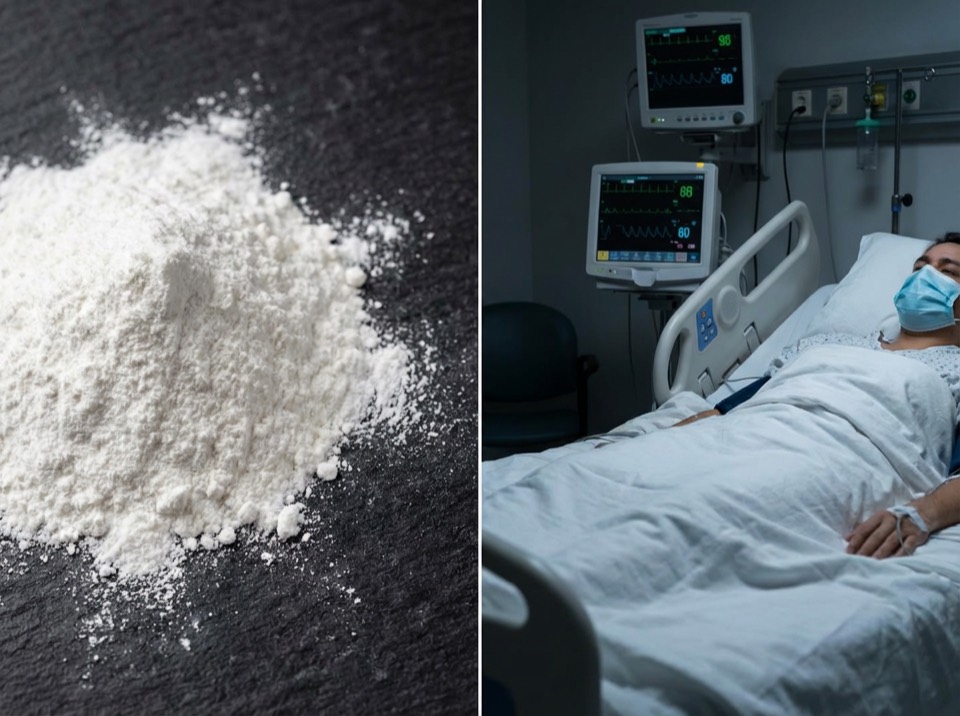
Bacterial endocarditis is a serious heart infection that can be life-threatening if not treated properly. While it’s usually linked to certain heart conditions or intravenous drug use, cocaine use—especially when snorted or injected—can also increase the risk of developing this condition.
Bacterial endocarditis happens when bacteria enter the bloodstream and infect the inner lining of the heart. This can damage heart valves and lead to complications like heart failure or stroke. The infection is often caused by bacteria entering through broken skin or during procedures like surgery or dental work, but it can also happen from drug use, particularly with cocaine. If you or a loved one would like help to avoid cocaine use, then Contact us today and take the first step toward a healthier future.
Topic 01 · Mechanism
How cocaine use leads to bacterial endocarditis
Using cocaine can damage blood vessels and tissues, making it easier for bacteria to enter the bloodstream and travel to the heart. This is especially true for people who inject cocaine with non-sterile needles, which introduces bacteria directly into the bloodstream. Even snorting or smoking cocaine can damage the nasal passages or lungs, allowing bacteria to enter the body. Additionally, cocaine weakens the immune system, making it harder for the body to fight infections, creating the perfect storm for bacterial endocarditis.
Topic 02 · Symptoms
Symptoms to watch for
The symptoms of bacterial endocarditis can include:
- Fever
- Fatigue or weakness
- Shortness of breath
- Swelling in the legs, feet, or abdomen
- Heart murmur (an abnormal heartbeat sound)
- Aches and pains, including joint or chest pain
Topic 03 · Risk factors
How cocaine increases the risk
Cocaine has several harmful effects that increase the risk of bacterial endocarditis:
- Damaging blood vessels.Cocaine restricts blood flow, making the heart more vulnerable to infection.
- Weakening the immune system.Cocaine suppresses the body’s ability to fight off infections.
- Dirty needles.Injecting cocaine with unclean needles can directly introduce bacteria into the bloodstream.
- Damage to mucous membranes.Snorting cocaine can cause tears in the nasal passages, making it easier for bacteria to enter.
Topic 04 · Treatment
Treatment and prevention
Bacterial endocarditis requires immediate treatment with antibiotics, and in severe cases, surgery may be needed. The best way to prevent it is to avoid using cocaine altogether. If you’re struggling with cocaine addiction, seeking help from a healthcare professional or addiction specialist is vital.
Cocaine use increases the risk of bacterial endocarditis, a dangerous heart infection that can cause serious health issues. By understanding the risks and symptoms, individuals who use cocaine can seek treatment early and reduce their risk. The most effective way to prevent bacterial endocarditis is to avoid cocaine use, and for those struggling with addiction, getting help is key to protecting heart health and overall well-being. At Northview Wellness, we offer tailored treatment programs to help professionals break the cycle of addiction. With personalized outpatient, detox, therapy, individual and group counseling, and stress management services, we support lasting recovery and a healthier, more balanced life. Contact us today and take the first step toward a healthier future.
Talk With Our Team
Struggling with cocaine use?
A short, confidential conversation with our team is the easiest place to start — especially if heart-health concerns or other symptoms have already started showing up.