
5 Tips for Staying Sober
You’ve done the work to become clean and sober, and you want to do what you can to stay that way. Here are five great tips that will help you safeguard your freedom from a substance use disorder.
The COVID-19 pandemic has triggered dramatic changes throughout everyday life — and in the medical community as well. Not only are providers across the country postponing elective procedures, but many are also encouraging people to avoid in-office appointments to reduce their risk of exposure to this highly contagious coronavirus.
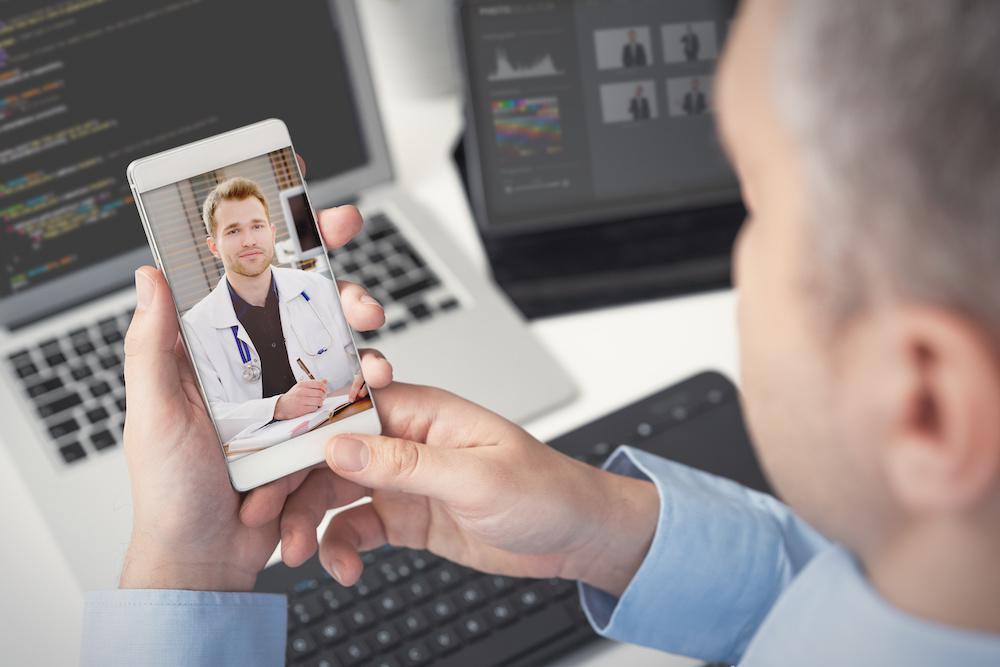
But what do you do if you still need health care? Fortunately, Telehealth can help.
Telehealth — or telemedicine — is a healthcare solution that allows you to meet with your doctor virtually instead of going to the office. Our 100% HIPAA-compliant system uses a two-way, high definition video, so we can talk face-to-face as if we’re in the same room together.
With Telehealth, you can also:
This streamlined approach originally evolved to help expand medical care to men, women, and children living in remote areas. Today, 76% of hospitals use Telehealth technology, and US employers could save as much as $6 billion a year by making telemedicine technology available to their employees. But the advantages of Telehealth go far beyond financial savings.
Whether you live close to your doctor or in a rural area, you probably know firsthand that even a routine visit involves wait times of 18 minutes or longer — and that doesn’t even include the time you spend getting there. Telehealth technology eliminates that.
By connecting to your doctor in a virtual setting, you can expect to:
At the same time, you also reduce your risk of exposure to contagious illnesses, like the common cold, flu, and COVID-19.
Telemedicine is also available to patients of all ages, including children, older adults, and those in vulnerable health. That makes it an ideal healthcare solution for everyone, especially when someone can no longer leave their home safely but still requires medical attention.
Telemedicine technology has never been easier to use, simply:
You can also upload photos, if needed, to help us diagnose your symptoms.
For more information on telemedicine or to schedule your virtual visit, contact us by calling or requesting your Telehealth appointment online today.

You’ve done the work to become clean and sober, and you want to do what you can to stay that way. Here are five great tips that will help you safeguard your freedom from a substance use disorder.

The connection between a substance use disorder and a mental health issue is a strong one, as the nearly eight million Americans who have a co-morbidity prove. When this occurs, treating both issues is paramount.

Addiction is a chronic disease that requires constant vigilance and good management. When a person falls short, relapse can occur. If you’re worried that a loved one has relapsed, here are some signs to look out for.

You believe that you’re drinking isn’t normal anymore, and you’re tired of the overwhelmingly negative effects that alcohol is having on your life. The good news is that alcoholism is highly treatable.
The rise in availability of telehealth services has been great news for those who need (or would prefer) to receive quality health care from the comfort of their own homes. These services also extend to substance use disorders.

Whether you’ve tried to break your opioid addiction before or this is your first attempt, why not greatly increase your chances of success with Sublocade®? Here’s a look at how Sublocade can ease your recovery journey.