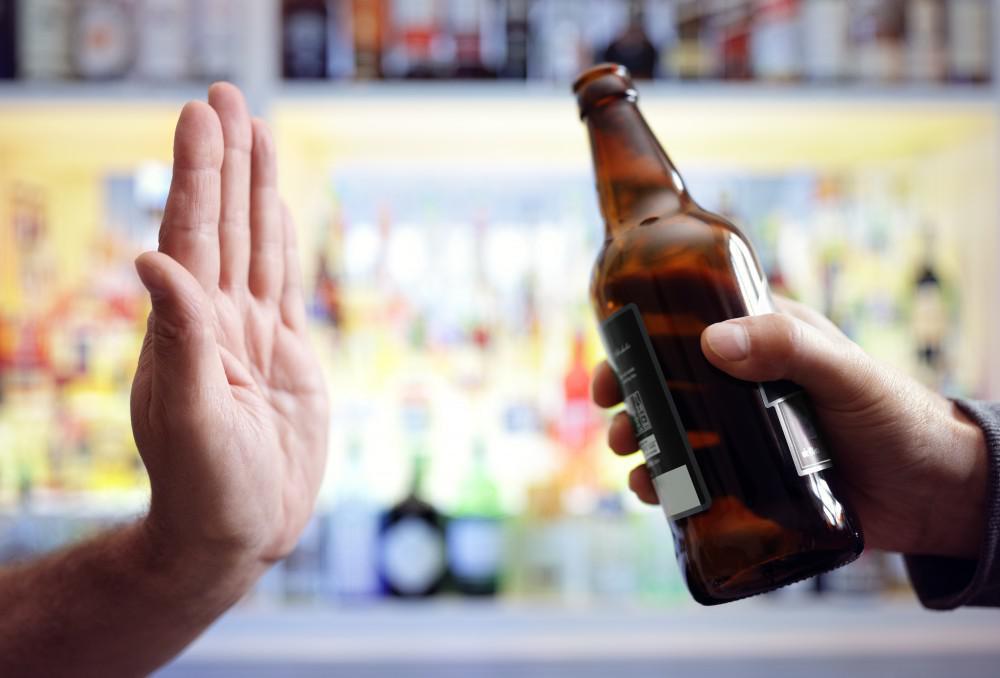
5 Tips for Staying Sober
You’ve done the work to become clean and sober, and you want to do what you can to stay that way. Here are five great tips that will help you safeguard your freedom from a substance use disorder.
The December holiday season is often portrayed as a time of universal joy, connection, and celebration. Yet, for individuals recovering from addiction, this period can be one of the most challenging and high-risk times of the year. The combination of social pressure, family dynamics, financial stress, and a profound disruption of routine can create a perfect storm for emotional overwhelm and relapse.
At Northview Wellness, we understand that maintaining sobriety during the holidays requires more than just willpower—it requires a proactive plan, a strong support system, and a commitment to self-care. We believe that with the right tools, this season can be navigated successfully, allowing you to focus on the true meaning of recovery: building a life you don’t need to escape from.
For many, the holidays amplify the very feelings that often fuel addiction: stress, isolation, and a sense of not belonging. The contrast between the cultural ideal of a perfect, happy holiday and the reality of a life in recovery can be jarring.
Universal Joy = Heightened stress, anxiety, and emotional fatigue
Family Togetherness = Reemergence of old family conflicts and trauma
Celebration & Parties = Increased exposure to alcohol and substance use
Relaxed Schedules = Disruption of vital recovery routines and structures
Financial Abundance = Pressure from gift giving and increased financial strain
The holiday season introduces a unique set of environmental and emotional triggers that can test even the strongest foundation of sobriety.
Understanding the specific challenges of the holidays is the first step in building a defense against them. Here are the most common triggers that individuals in recovery face during December:
Holiday parties, work events, and family gatherings often feature alcohol as a central component. Being constantly surrounded by drinking can create a sense of social isolation or direct pressure to “just have one.” This exposure can trigger cravings and normalize environments that are fundamentally unsafe for sobriety.
The holidays often mean spending extended time with family members, which can bring old tensions, resentments, or past trauma to the surface. For those whose addiction was intertwined with family issues, these gatherings can be emotionally exhausting and highly triggering, leading to a desire to numb painful feelings.
Paradoxically, a season focused on togetherness can amplify feelings of loneliness for those who have lost relationships due to addiction or who are choosing to distance themselves from unhealthy social circles. The expectation of connection can make the reality of isolation feel heavier, increasing the risk of seeking comfort in old habits.
The pressure to buy gifts, travel, and participate in expensive activities can lead to significant financial stress. Stress is a primary driver of relapse, and the added burden of holiday spending can quickly erode emotional resilience.
Recovery thrives on structure, routine, and predictability. The holiday break often means canceled meetings, altered work schedules, and a general disruption of the daily habits that keep sobriety stable. This lack of structure can leave dangerous gaps of unstructured time, a known trigger for relapse.
Successfully navigating the holidays requires a proactive, strategic approach. Here are some practical steps you can take to protect your sobriety and enjoy the season on your own terms:
Before attending any event, decide how long you will stay and have a pre-arranged exit strategy. Drive yourself so you can leave whenever you feel uncomfortable. Have a brief, honest explanation ready for why you aren’t drinking, or simply say, “No thanks, I’m driving.” Your sobriety is your priority, and you are always allowed to leave.
Commit to attending extra recovery meetings (AA, NA, SMART Recovery) during the holidays. Schedule check-ins with your sponsor or recovery coach. Your support system is your lifeline; lean on it heavily during this high-risk period.
Decide which events are safe and which are not. It is perfectly fine to decline invitations to parties where you know substance use will be heavy. If you do attend, set boundaries with family members about topics you will not discuss. “No” is a complete sentence.
Do not let the holidays completely derail your structure. Prioritize your sleep, nutrition, and exercise. If your regular meeting is canceled, find an alternative or an online meeting. Consistency is your greatest defense against relapse.
Schedule time for quiet, restorative activities that have nothing to do with the holidays. This could be reading, meditating, exercising, or simply taking a long walk. Recognize that you may need more downtime than usual to manage the emotional intensity of the season.
The holidays do not have to be a period of dread. They can be a time of quiet strength, where you prove to yourself and your loved ones that your commitment to recovery is unwavering.
If you find yourself struggling with the unique pressures of this season, remember that programs exist to provide the structure, accountability, and personalized support you need.
You deserve a holiday season built on peace, health, and sobriety. Let us help you make it happen. If you or a loved one is struggling this holiday season, please contact our office for advice or to set up a consultation.

You’ve done the work to become clean and sober, and you want to do what you can to stay that way. Here are five great tips that will help you safeguard your freedom from a substance use disorder.


The connection between a substance use disorder and a mental health issue is a strong one, as the nearly eight million Americans who have a co-morbidity prove. When this occurs, treating both issues is paramount.

Addiction is a chronic disease that requires constant vigilance and good management. When a person falls short, relapse can occur. If you’re worried that a loved one has relapsed, here are some signs to look out for.

You believe that you’re drinking isn’t normal anymore, and you’re tired of the overwhelmingly negative effects that alcohol is having on your life. The good news is that alcoholism is highly treatable.

The rise in availability of telehealth services has been great news for those who need (or would prefer) to receive quality health care from the comfort of their own homes. These services also extend to substance use disorders.

Marijuana may be legal, but like with alcohol, how you use this legal substance makes a difference. If you develop a use disorder, marijuana can be quite harmful and affect a number of areas of your life.