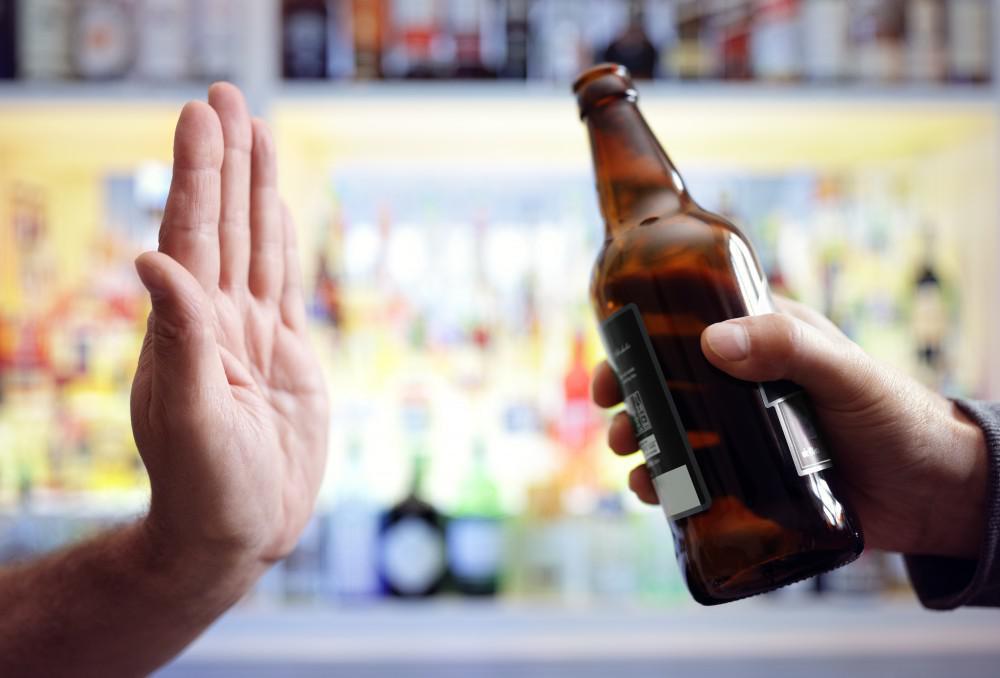
5 Tips for Staying Sober
You’ve done the work to become clean and sober, and you want to do what you can to stay that way. Here are five great tips that will help you safeguard your freedom from a substance use disorder.


In our previous post, we addressed some of the common misconceptions surrounding medically assisted treatment (MAT) for opioid use disorder. Now we turn our attention to a specific, and relatively new, form of MAT: Sublocade. Deployed as a once-monthly injectable medication, Sublocade represents a significant advancement in the treatment of opioid dependence, offering a unique approach to patient care. In this post, we will explore what Sublocade is, how it works, and its potential benefits and risks, providing a comprehensive overview of this emerging treatment option.
While Sublocade was approved relatively recently, in 2017, it has already shown promise when it comes to treating opioid dependence. Unlike similar medications such as Suboxone, which is a combination of buprenorphine and naloxone (a strong opioid antagonist and agonist), Sublocade contains only buprenorphine. This has allowed for Sublocade to be developed as an injectable medicine instead of an oral form, which comes with many advantages.
No need for daily dosing.
Reduces the risk of abuse.
Stigma and privacy are protected
When it comes down to it, there are similar medications in terms of desired effect to Sublocade, however there are none that create such a practical adherence schedule. Access to treatment can change daily for some patients with opioid dependence, so giving people as much time as they need is a priority.It is important to remember that, just as with any illness, recovery from opioid use disorder is a journey with many components and steps. Medically assisted treatment is meant to bridge a gap; used in tandem with various forms of therapy and support. If you or a loved one are experiencing opioid use disorder, please contact our office to set up a consultation.

You’ve done the work to become clean and sober, and you want to do what you can to stay that way. Here are five great tips that will help you safeguard your freedom from a substance use disorder.

The connection between a substance use disorder and a mental health issue is a strong one, as the nearly eight million Americans who have a co-morbidity prove. When this occurs, treating both issues is paramount.

Addiction is a chronic disease that requires constant vigilance and good management. When a person falls short, relapse can occur. If you’re worried that a loved one has relapsed, here are some signs to look out for.

You believe that you’re drinking isn’t normal anymore, and you’re tired of the overwhelmingly negative effects that alcohol is having on your life. The good news is that alcoholism is highly treatable.
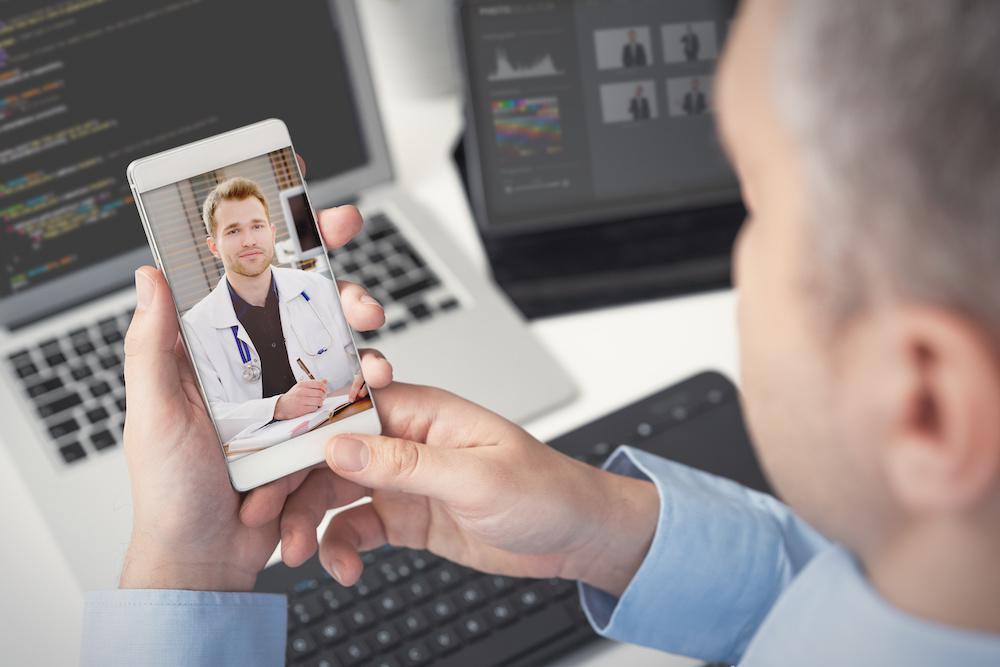
The rise in availability of telehealth services has been great news for those who need (or would prefer) to receive quality health care from the comfort of their own homes. These services also extend to substance use disorders.

Whether you’ve tried to break your opioid addiction before or this is your first attempt, why not greatly increase your chances of success with Sublocade®? Here’s a look at how Sublocade can ease your recovery journey.